Frontiers in Ecohydrology

Open Science & Capacity Building

A recurring UNESCO-IHP-linked training series for young scientists, government officials, and project managers from developing countries along the Belt and Road.

2held so far
32international participants
24countries represented
331applications received
Program Overview

Belt and Road Training & Capacity Building

The Belt and Road Frontiers in Ecohydrology workshop is organized by CIGIT-CAS with the UNESCO-IHP Ecohydrology Programme as a recurring capacity-building series for ecohydrology research and river-basin governance in developing countries along the Belt and Road. It connects lectures, participant seminars, international symposium sessions, and field surveys around ecohydrology, nature-based river-basin governance, aquatic restoration, and AI-enabled ecohydrological research.
Country Network

Participant Countries

Past workshops have connected 24 countries across Asia, Africa, Latin America, and other regions, with Chongqing as the training and field-study hub. New editions will be added continuously.

ChileColombiaEcuadorEthiopiaIndonesiaIranKenyaLaosLebanonMalaysiaNepalNigeriaSri LankaTanzaniaTunisiaVietnamBangladeshBoliviaCosta RicaEgyptMexicoPakistanRwandaSierra LeoneChongqing
2023 participant countries2025 participant countriesMultiple editions
2023 participant countries

Chile, Colombia, Ecuador, Ethiopia, Indonesia, Iran, Kenya, Laos, Lebanon, Malaysia, Nepal, Nigeria, Sri Lanka, Tanzania, Tunisia, Vietnam

2025 participant countries

Bangladesh, Bolivia, Costa Rica, Egypt, Laos, Malaysia, Mexico, Nepal, Pakistan, Rwanda, Sierra Leone, Tunisia, Vietnam

Frontiers in Ecohydrology

Past Workshops

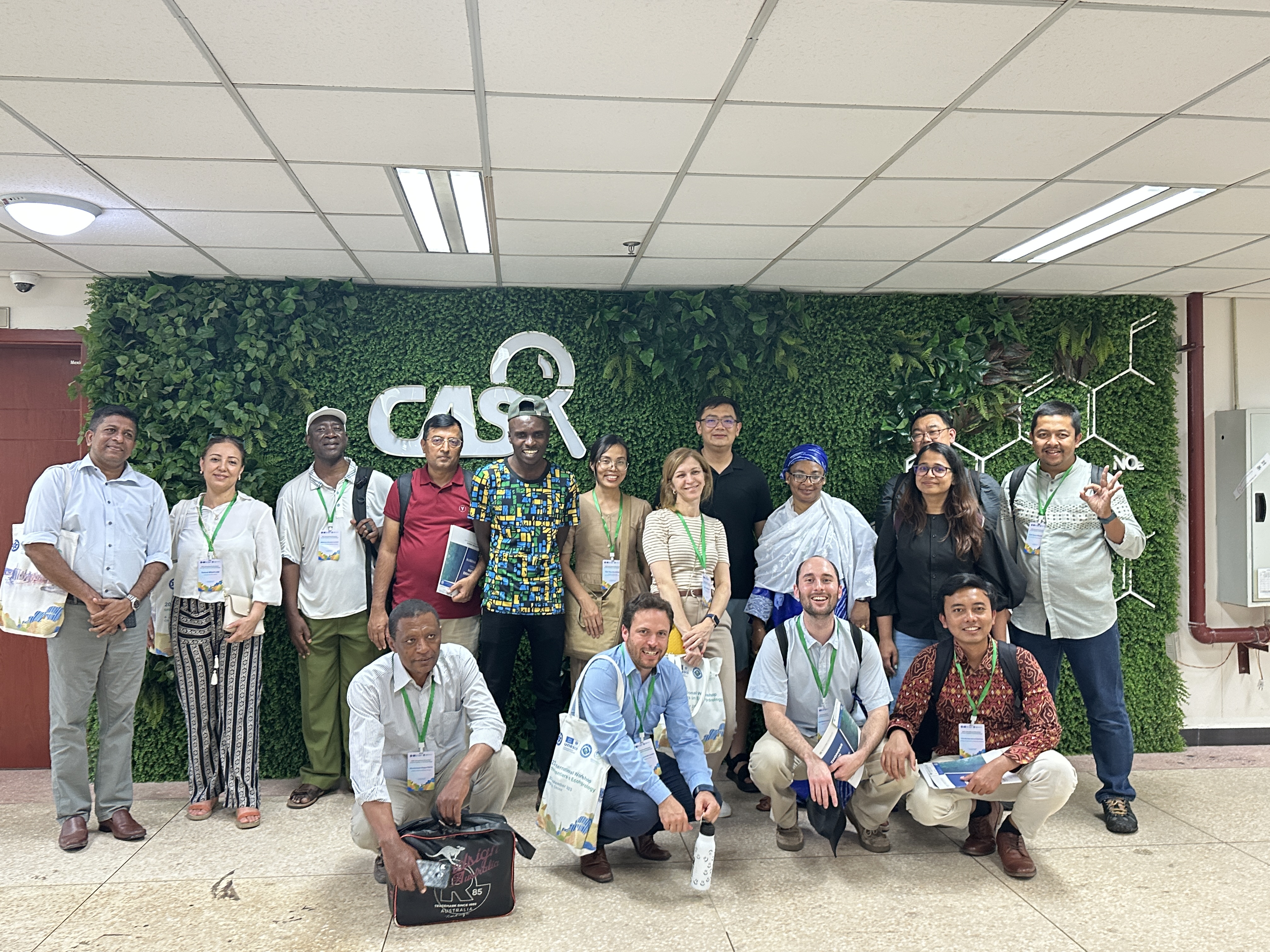
Participant exchange group photo of the 2023 workshop
2023

The first International Workshop on the Frontiers in Ecohydrology

Sep. 04 - Sep. 22, 2023 · Chongqing

The first workshop was funded by the Bureau of International Cooperation, CAS, and co-organized by CIGIT-CAS and UNESCO-IHP for Belt and Road ecohydrology research and practice needs.

  • The program received 71 applications from 24 countries; 20 participants from 17 countries were selected, and 19 participants from 16 countries attended in China.
  • Participants came from international organizations, government agencies, universities, research institutes, and enterprises working on water management and ecological restoration.
  • The curriculum covered fundamentals of ecohydrology, ecohydrology and UN SDGs, AI and ecohydrology, and global demonstration-site experiences.
  • The program included an opening symposium and a four-day field survey in the Three Gorges Reservoir UNESCO ecohydrology demonstration area.
Young scientistsWater and natural-resource officialsUNESCO / ICIMOD representativesUniversity lecturers and engineers
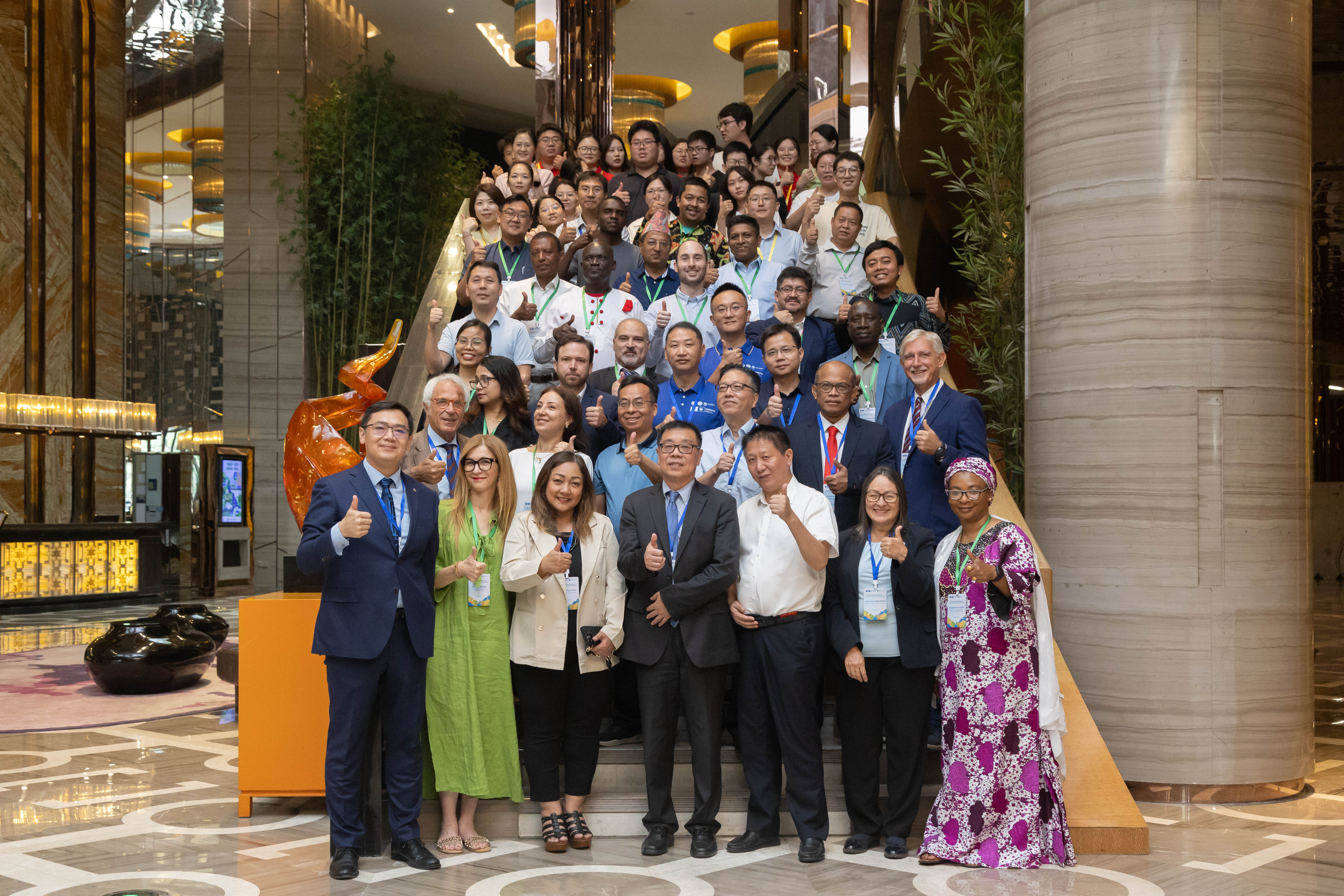
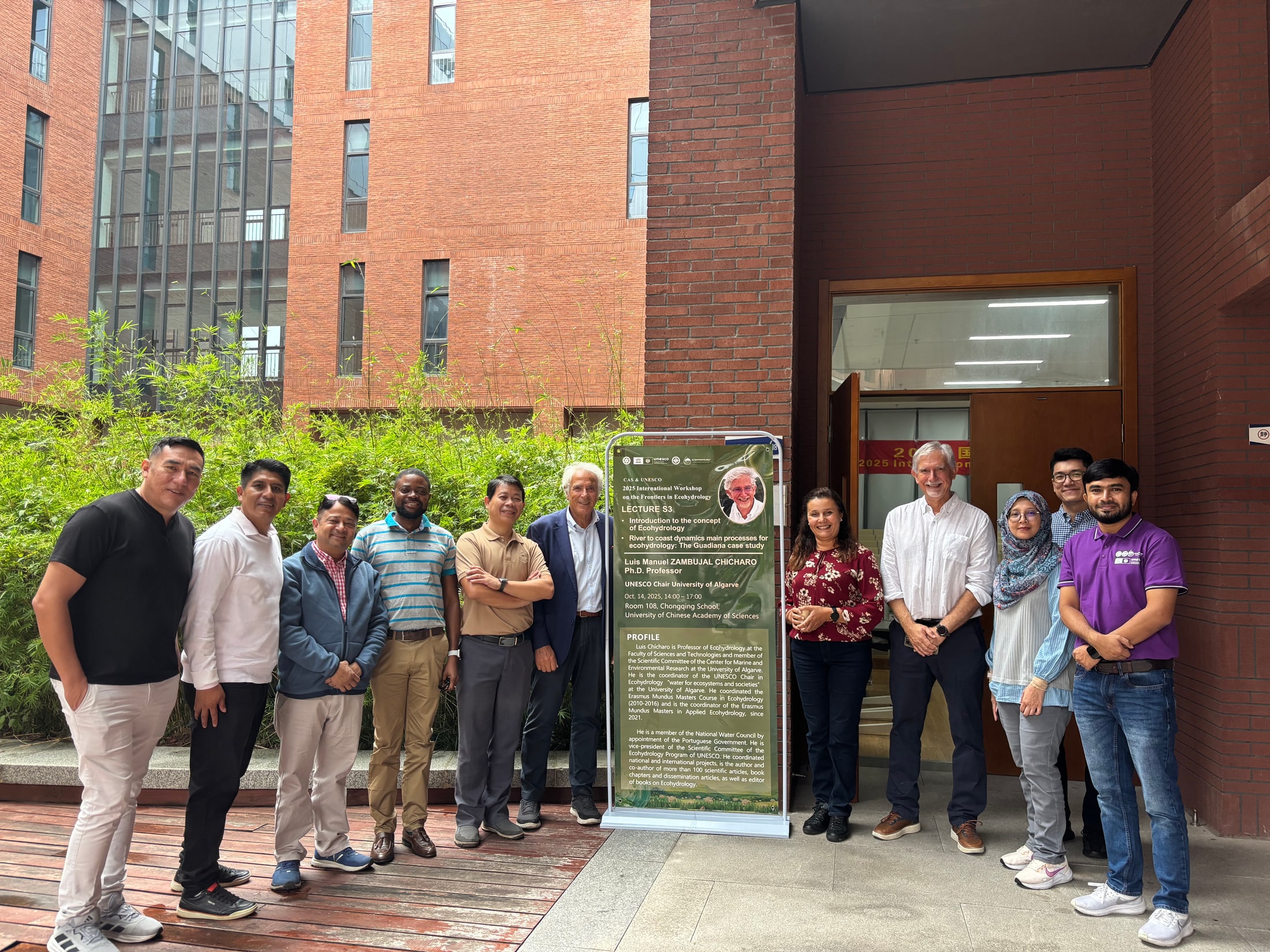
Special session group photo of the 2025 workshop
2025

The second International Workshop on the Frontiers in Ecohydrology

Oct. 12 - Oct. 25, 2025 · Chongqing

The second workshop regularized the training program and was the only activity held in China for the 50th anniversary celebration of UNESCO-IHP.

  • The program received 260 applications from more than 30 countries and selected 13 researchers and technical professionals from 13 countries.
  • Under the theme “Ecohydrology: Advancing Nature-Based River Basin Governance,” the curriculum focused on global frameworks, basin ecological simulation, biogeochemical cycles, and water security.
  • Participants joined WDWE2025 and presented country-level ecohydrology research, case studies, and management needs in the Belt and Road special forum.
  • Field activities in Chongqing connected classroom learning with demonstration sites, ecological restoration, and urban water-system practice.
Public works and water managersUniversity and research scholarsEcohydrology project leadsYoung technical professionals